


Motor-Point Acupuncture Gold Coast | Currumbin Clinic
Motor-Point Acupuncture on the Gold Coast: Bridging Anatomy and Traditional Chinese Medicine
I'm Dr Ryan Llewellyn, owner of Acupuncture Hub in Currumbin, and in this article I want to explain a technique I use often in clinic. It is called motor-point acupuncture, and how anatomical mapping helps me apply it with real precision.
We built our practice on a simple idea: traditional Chinese medicine and modern anatomy aren't in competition, they work best together. Motor-point acupuncture is one of the clearest examples of that. Rather than treating broadly, it targets the exact spot where a motor nerve enters a muscle, with the goal of restoring proper function, easing pain, and speeding up recovery.
To explain how this works, I'll draw on the anatomical mapping in Aldo O. Perotto's Anatomical Guide for the Electromyographer, a resource I've found translates remarkably well into acupuncture practice, and touch on how clinicians like Richard Hazel and Dr Anthony Lombardi have helped bring motor-point techniques into mainstream clinical use.
What Is a Motor Point?
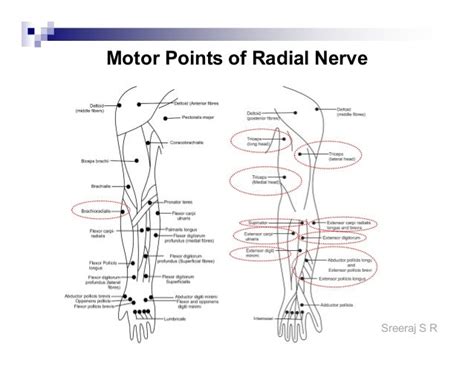
A motor point is the precise spot where a motor nerve enters a muscle. In electromyography (EMG), it's the ideal site for electrode placement when measuring muscle activity. In acupuncture, stimulating that same point can help "reset" how a muscle fires, which is what makes this such a targeted tool for musculoskeletal problems, from sports injuries to postural imbalances and chronic pain.
Why It Works
Motor-point acupuncture achieves its effects in a few distinct ways. It helps reset neuromuscular patterns, restoring normal firing and releasing tension in muscles that have become inhibited or overactive. The twitch response on needling confirms accurate placement, much like EMG validation would. And because the effect is so direct, patients often notice a change in mobility or comfort within minutes of treatment.
How Perotto's Anatomical Mapping Guides My Practice
Perotto's guide breaks the body down by region, upper limb, shoulder girdle, trunk, lower limb, and for each muscle it details innervation, ideal needling depth, and direction. I use this same anatomical framework in clinic, adapting it for therapeutic rather than diagnostic purposes, so every motor-point treatment is placed with real accuracy. It's this combination that has helped many of our clients get back to sport, correct posture, and manage chronic pain more effectively.
Conditions Motor-Point Acupuncture Can Help
In clinic, I've seen strong results using this approach for a range of presentations: sports injury rehabilitation, such as activating the vastus medialis obliquus (VMO) after a knee injury to help restore stability; chronic neck and shoulder tension, where needling the upper trapezius motor point can release long-held tightness; lower back pain, often linked to gluteal muscle inhibition and the compensatory strain it creates; postural issues, where underactive hip stabilisers are frequently the underlying cause; and nerve-related weakness, such as foot drop, where stimulating the tibialis anterior motor point can noticeably improve gait.
My Treatment Approach
Every visit starts with a proper assessment, so I can identify what's actually driving your pain or dysfunction rather than just treating the symptom. Depending on what I find, motor-point acupuncture is often paired with electro-acupuncture, cupping, or moxibustion to support the result. I keep techniques gentle but precise, aiming for a therapeutic muscle contraction rather than unnecessary discomfort, and I'll often suggest complementary mobility or strengthening work to help the improvement hold.
Why Patients Choose Acupuncture Hub
Over a decade in clinical practice has taught me that good outcomes come from combining anatomical precision with a genuinely holistic view of the patient, athlete or not. Our Currumbin clinic is easy to get to, with straightforward parking, and I work with people at every level of activity, from elite athletes managing niggling injuries to those simply wanting to move and feel better day to day.
In Short
Motor-point acupuncture is a precise, well-evidenced way to restore muscle function, ease pain, and improve mobility. By combining Perotto's anatomical mapping with the broader principles of traditional Chinese medicine, I'm able to treat the underlying cause rather than just the symptoms in front of me.
If you'd like to find out whether motor-point acupuncture is right for you, [book a session] with our Currumbin clinic or get in touch to ask a question first.
About the Author
Dr Ryan Llewellyn is the owner and principal acupuncturist at Acupuncture Hub, specialising in evidence-based acupuncture for pain relief, injury rehabilitation, and functional movement restoration.


